Pentaerythritol in Intumescent Coatings Explained
What Is an Intumescent Coating—and Where Pentaerythritol Fits
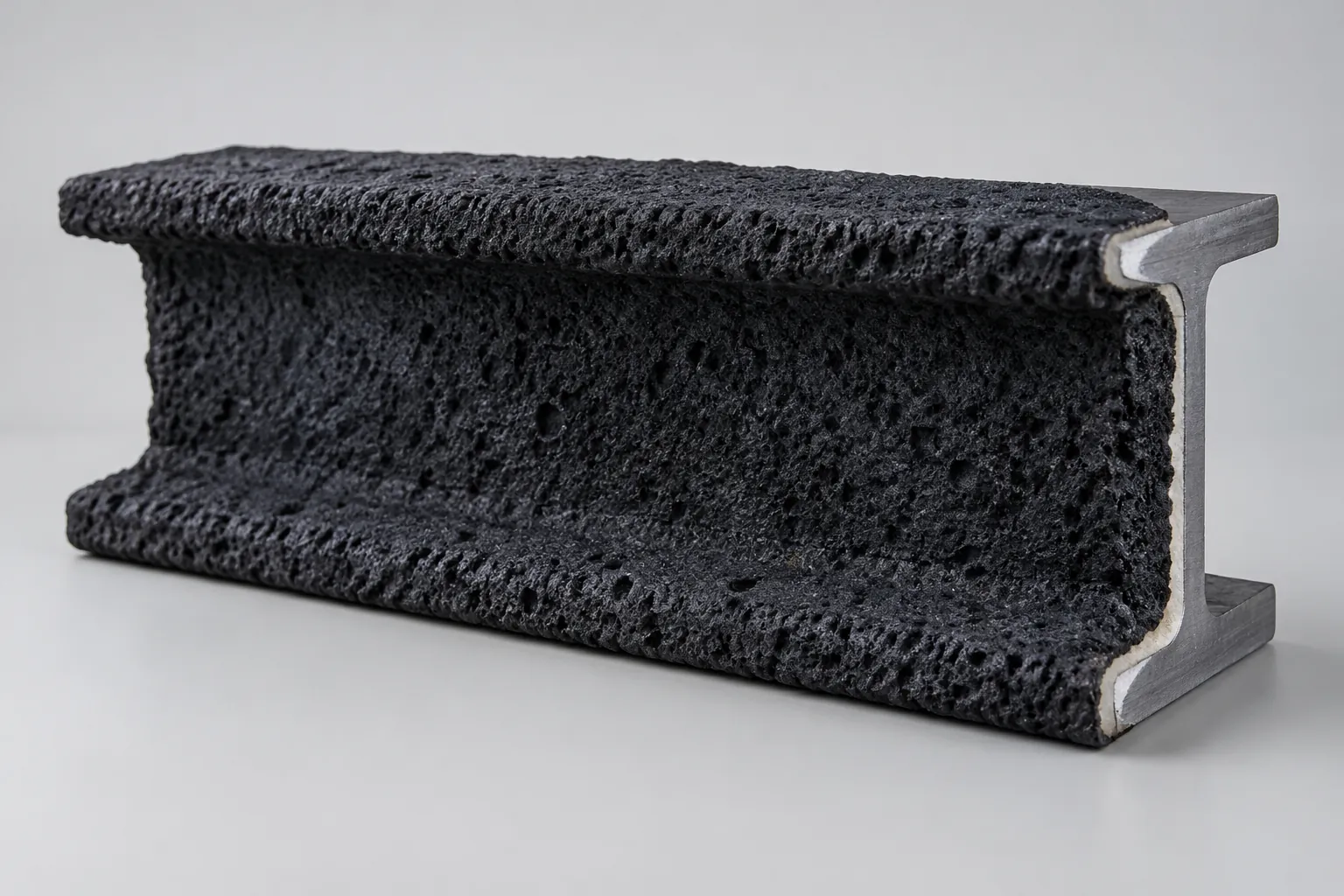
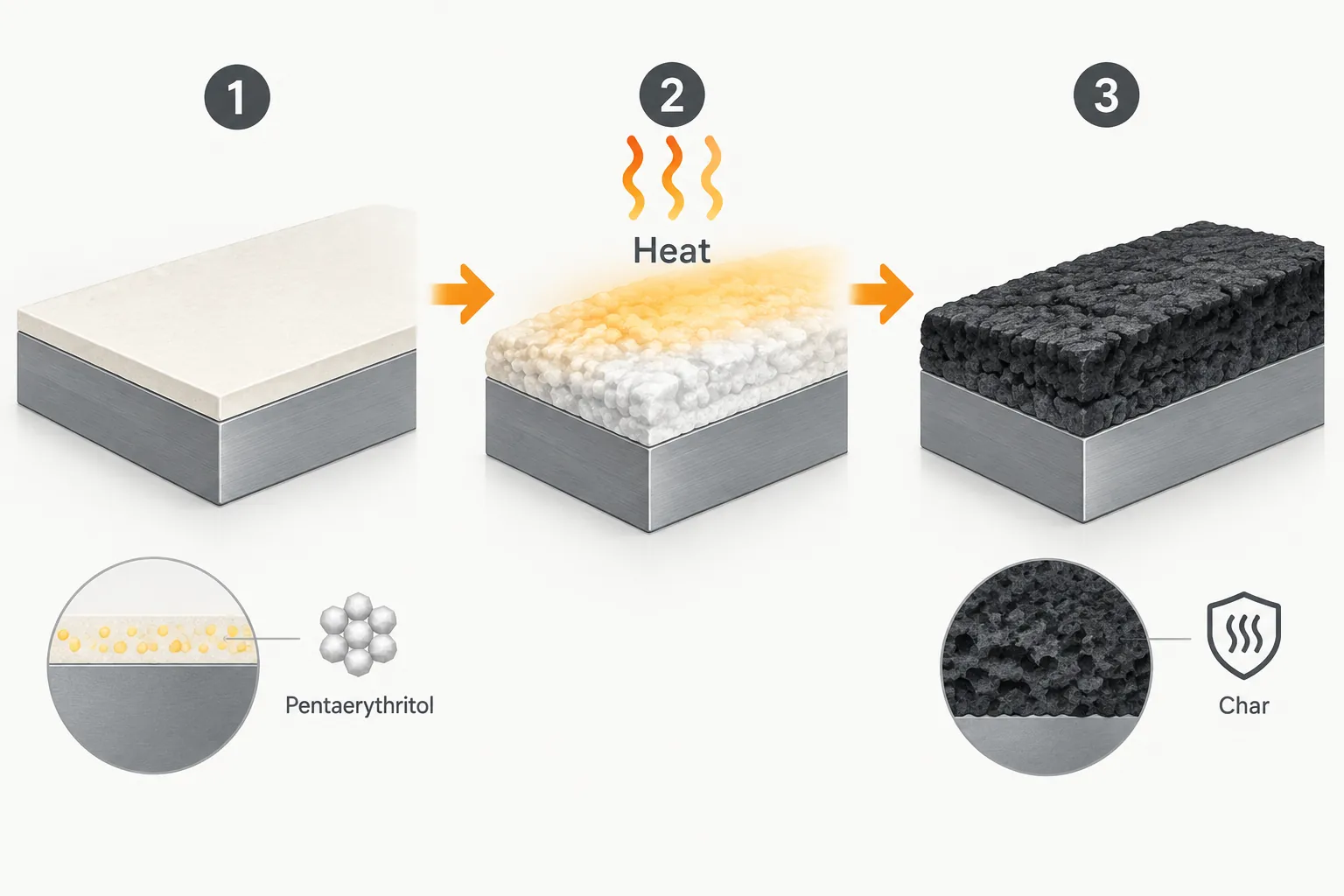
An intumescent coating is a fire-protection layer designed to react when exposed to high heat. Instead of remaining unchanged, the coating expands and forms an insulating char. This char helps slow heat transfer to the protected surface, making intumescent systems relevant to passive fire protection and structural steel fire resistance.
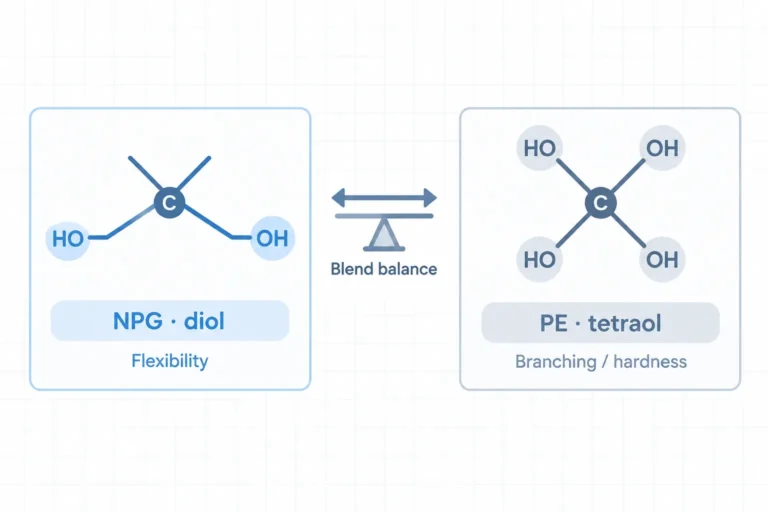
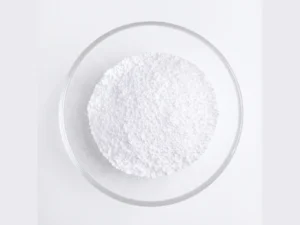
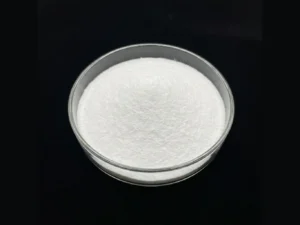
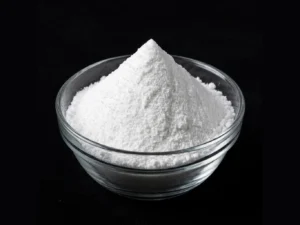
In many fireproof coating formulations, pentaerythritol acts as the carbon source. During intumescent char formation, it contributes to the carbon-rich structure that supports the protective insulating layer. Its role is therefore closely connected to the balance between the coating’s acid source, carbon source, and blowing components.
For formulators, the performance of pentaerythritol in intumescent coatings depends on how well it works within the complete system. Grade selection, dispersion, binder compatibility, and moisture control all matter when developing a consistent intumescent fire retardant coating for a specific application.
How Pentaerythritol Works When the Coating Is Exposed to Fire
When an intumescent fire retardant coating is exposed to fire, pentaerythritol acts as the pentaerythritol carbon source in the formulation. It supports the formation of an expanding protective char layer rather than leaving the binder fully exposed to heat.
In an APP PER MEL system, ammonium polyphosphate (APP) provides the acid source, pentaerythritol helps build the carbon structure, and melamine supports the blowing stage. Together, these ingredients drive intumescent char formation as the coating reacts to heat.
The quality of this char matters. A stable, continuous layer can help slow heat transfer to the substrate, which is important in passive fire protection for steel and other construction materials. For this reason, pentaerythritol selection should be considered together with the APP level, melamine content, binder system, and the intended fireproof coating formulation.
Choosing a PE Grade for Intumescent Formulas
Choosing a pentaerythritol grade for intumescent formulas should be based on the needs of the complete fireproof coating formulation. Grade comparisons should consider processing, dispersion, binder compatibility, and the target coating system.
Tech Grade vs Mono Grade
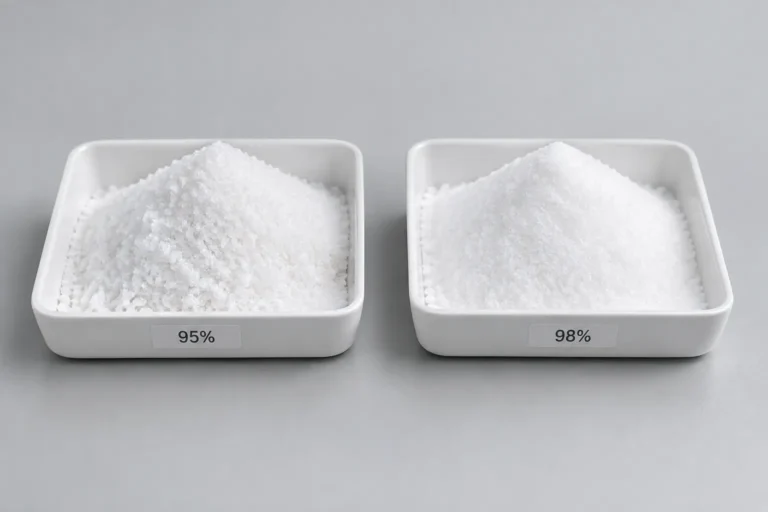
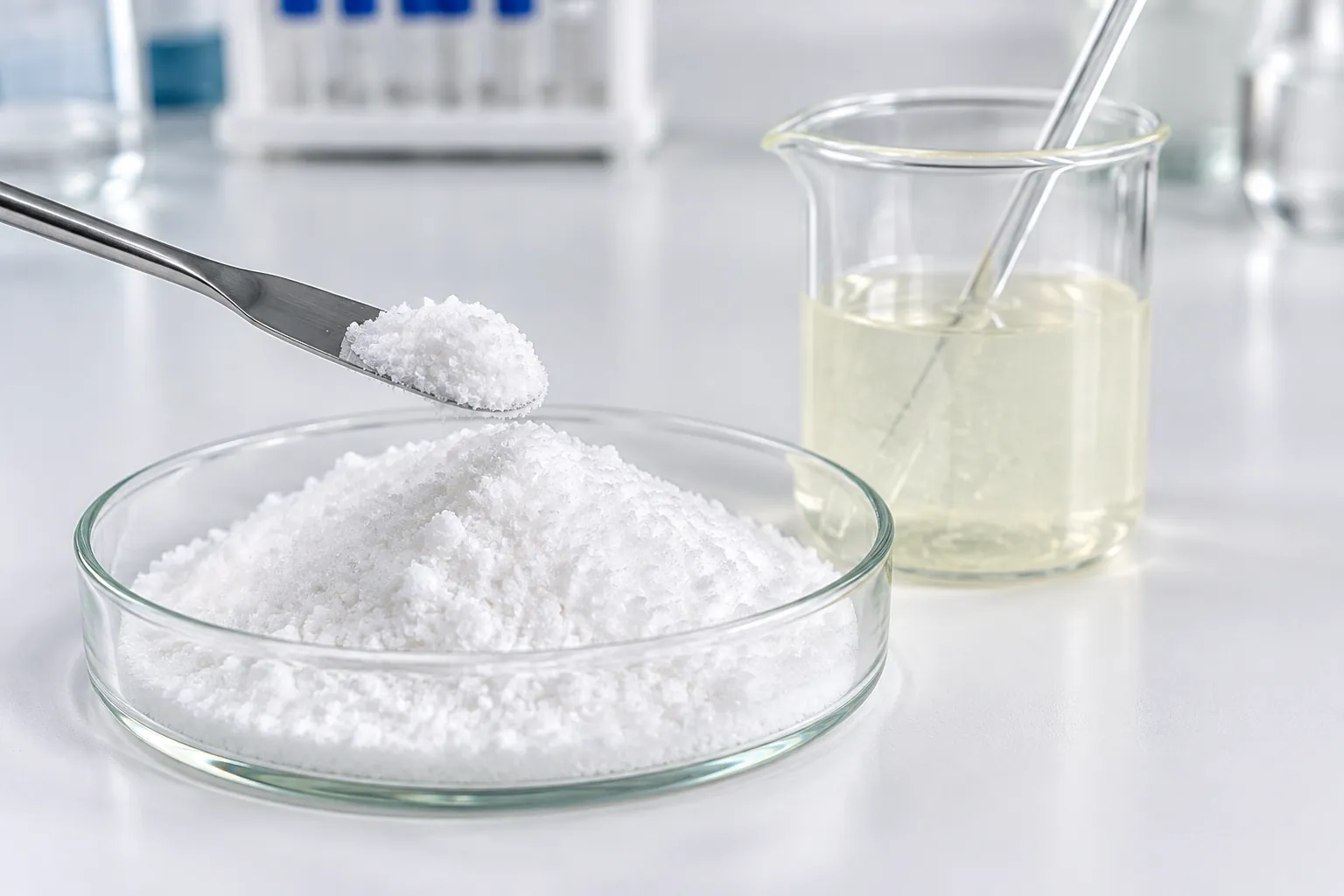
Tech grade and mono grade pentaerythritol may be considered for different formulation requirements. However, specific performance differences, purity levels, and application advantages cannot be confirmed without product documentation. Coating teams should compare supplier data before selecting a grade for an intumescent fire retardant coating.
When Formulators Consider Micronized PE
Micronized pentaerythritol may be considered when particle size and powder dispersion are important to the coating process. The right choice depends on the binder, mixing method, and overall formulation. Verified information on micronized PE grades should come from the supplier’s technical documentation.
When Dipentaerythritol Enters the Discussion
Dipentaerythritol, also called DPE, is another material that formulators may evaluate in discussions about char-forming polyols. Its suitability depends on the intended coating system and the interaction with other formulation components. A direct comparison between pentaerythritol and dipentaerythritol should be made using confirmed product and application data.
Practical Formulation Notes for Coatings Teams
Dispersion, Binder Compatibility, and Moisture Sensitivity
When using pentaerythritol as a carbon source in an intumescent fire retardant coating, I focus first on how evenly the solid is distributed through the binder. Poor dispersion can create local differences in the APP–PER–melamine system, which may affect intumescent char formation across the coated surface.
Key checks include:
- Powder distribution: Confirm that pentaerythritol is dispersed consistently throughout the coating.
- Binder compatibility: Check that the PE grade works with the selected binder and does not create settling or processing issues.
- Moisture control: Store and handle the material carefully, especially for water-based intumescent paint systems.
- Batch consistency: Keep addition order, mixing conditions, and solids content consistent from batch to batch.
I recommend evaluating the complete fireproof coating formulation rather than judging pentaerythritol alone. The binder, ammonium polyphosphate APP, melamine blowing agent, pigments, and other additives all influence processing and final coating behavior.
System Thinking: Primer, Basecoat, and Topcoat Context
Pentaerythritol is normally considered as part of a complete coating system, not as an isolated ingredient. The primer, intumescent basecoat, and topcoat can each affect adhesion, surface protection, moisture exposure, and the performance of passive fire protection for steel.
For global projects, I review the system in its intended use:
- Primer: Provides the prepared surface for the intumescent layer and must be compatible with the overall system.
- Basecoat: Contains the fire protection package, including the selected carbon source and other intumescent components.
- Topcoat: Helps protect the finished surface and should be checked for compatibility with the basecoat.
This system-based approach is especially important for structural steel fire resistance, where application conditions, storage, transport, and service exposure may vary by market. I treat pentaerythritol selection, dispersion, binder compatibility, and moisture control as connected formulation decisions.
Common Char Problems Linked to the Carbon Source
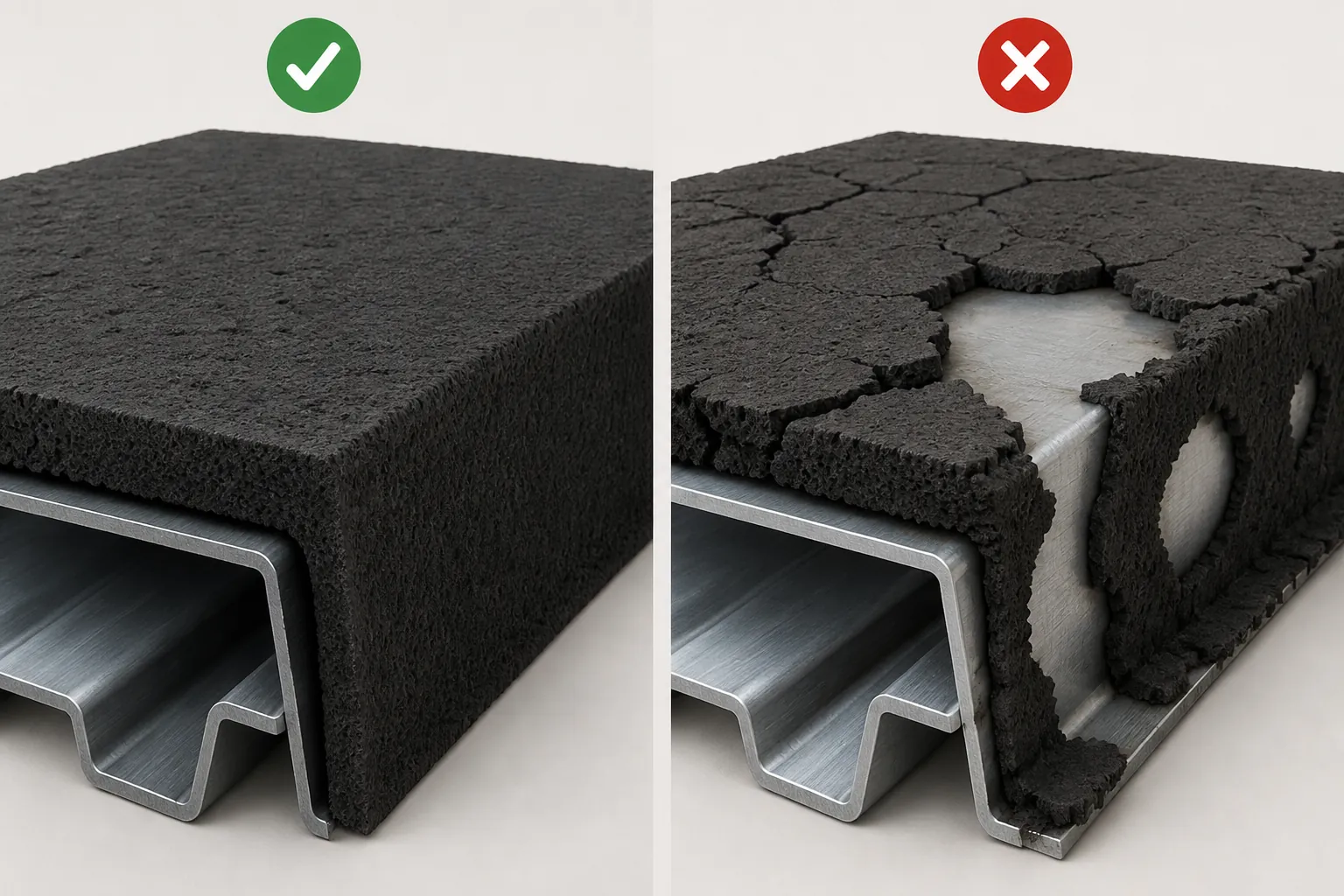
In an intumescent fire retardant coating, the pentaerythritol carbon source helps support intumescent char formation. If the carbon source is not well matched to the rest of the formulation, the protective char may not form evenly during fire exposure.
- Weak char: The coating may form a fragile layer that provides limited protection.
- Uneven expansion: Poor dispersion of pentaerythritol can lead to inconsistent char across the coated surface.
- Cracking or collapse: The char may lose continuity when the coating is exposed to heat.
- Compatibility issues: The carbon source must work properly with ammonium polyphosphate APP and the melamine blowing agent in an APP PER MEL system.
For this reason, I treat pentaerythritol as part of a complete fireproof coating formulation rather than as an isolated additive. Grade selection, particle distribution, dispersion, and compatibility with the binder all affect the final char-forming performance.
How Hengyou Chemical Supports Intumescent Coating Buyers
At Hengyou Chemical, we help global B2B buyers assess pentaerythritol for intumescent fire retardant coating applications. Our discussions focus on how the pentaerythritol carbon source fits into an APP/PER/melamine system, based on the buyer’s coating type, production process, and application needs.
We can support practical comparisons between pentaerythritol, micronized pentaerythritol, and dipentaerythritol for fireproof coating formulations. The goal is to help coating teams review material options clearly, communicate technical requirements, and make more informed sourcing decisions for passive fire protection and structural steel applications.