Why Alkyd Resin Yellows: Causes and Practical Fixes
Why Is My Resin Yellowing? A Practical Checklist for Alkyd and Polyester Cooks
Yellowing in alkyd or polyester resin can affect the appearance and color stability of coatings, especially when a light-colored finish is required. The first step is to determine when the color change occurs: during the cook, after storage, or after the resin is applied and aged.
Use this practical checklist to narrow down the cause:
- Compare the resin’s initial color with its color after storage.
- Check whether the discoloration appears in the resin, the coating film, or both.
- Review the oil, acid, polyol, and drier materials used in the batch.
- Compare the affected batch with a previous batch made under similar conditions.
- Record cooking temperature, holding time, filtration, and final appearance.
- Check raw-material consistency before changing the formulation.
A clear diagnosis helps separate raw-material variation from formulation or process-related causes.
Yellowing Is Usually Multi-Factor—Not One Ingredient Alone
Yellowing in alkyd or polyester resin is rarely caused by one raw material in isolation. The final color can reflect the combined effect of the resin composition, processing conditions, storage, and film aging. When investigating why alkyd resin yellows, compare the complete system rather than changing one ingredient too quickly.
Initial Color vs. Delayed Yellowing After Storage or Film Aging
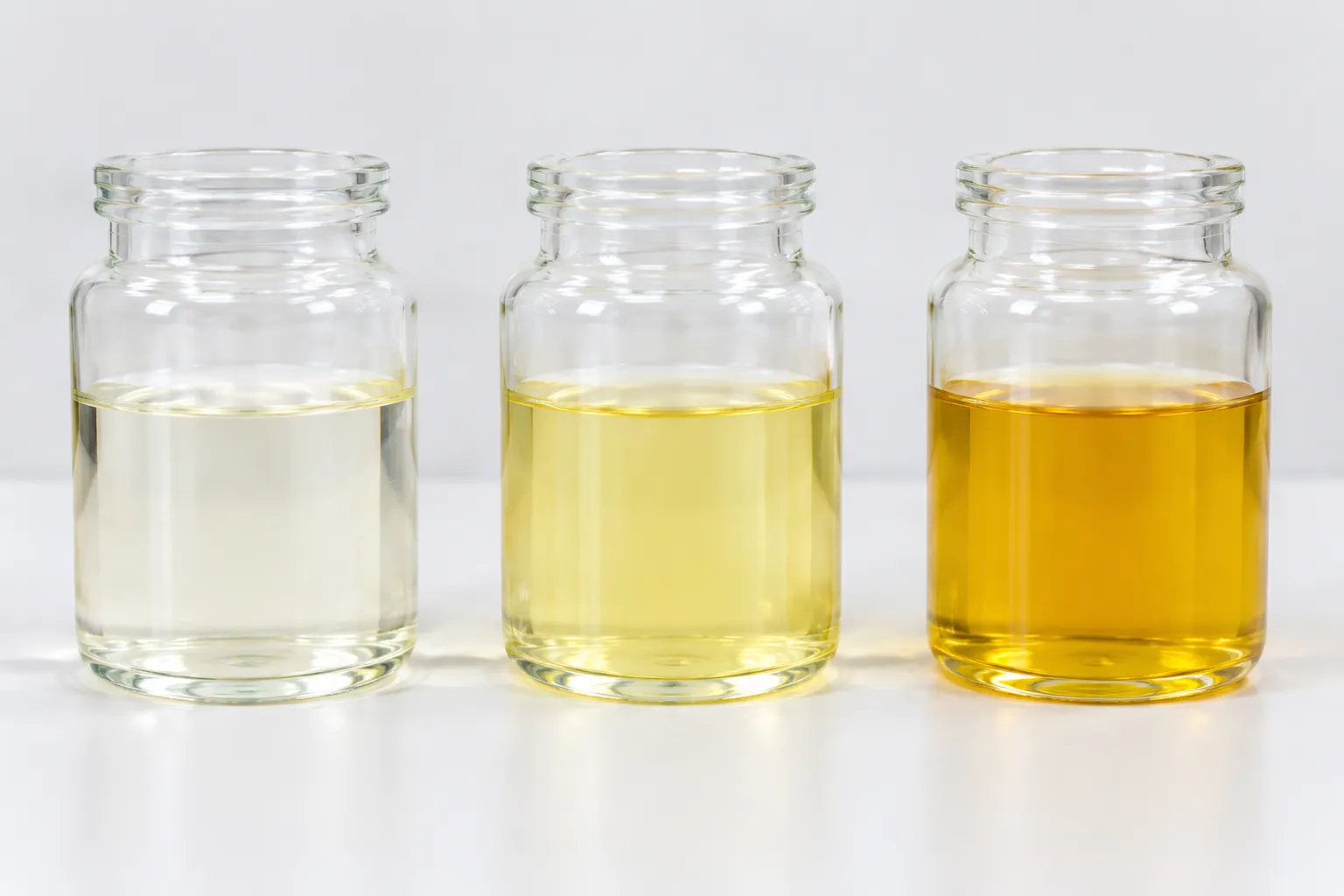
First, separate initial resin color from yellowing that appears later. A resin may look darker immediately after cooking, or it may begin relatively light and become more yellow during storage or after application.
These two patterns point to different investigation paths:
- Initial color: Review the raw-material color, processing temperature, cooking time, and filtration or clarity.
- Delayed yellowing: Check storage conditions, film aging, heat exposure, UV exposure, and oxidation-related changes.
- Film discoloration: Consider the interaction between the resin, oil or other unsaturated components, drier package, and surrounding environment.
Recording the resin color at discharge, after storage, and after film aging helps show when the color shift begins. This simple timeline can prevent a storage or coating-ageing issue from being mistaken for a single raw-material defect.
When Formulators First Suspect the Polyol
The polyol is often investigated when color, haze, or batch consistency changes while the rest of the formula appears unchanged. This is a reasonable starting point, but it should be treated as a comparison step—not an immediate conclusion.
I would check:
- whether the same oil, acid component, and process conditions were used;
- whether the incoming polyol shows a change in color, clarity, or batch consistency;
- whether the resin develops haze or turbidity during cooking or storage;
- whether the color change occurs in the resin itself or only after film aging.
A controlled side-by-side cook is usually more useful than changing several ingredients at once. If only the polyol source or grade changes while the rest of the process remains the same, the result is easier to interpret. This helps distinguish a possible polyol contribution from broader alkyd resin yellowing causes, such as formulation balance, processing, or aging conditions.
Oil Body and Unsaturation: Common Drivers of Alkyd Resin Yellowing
Highly Unsaturated Drying Oils and Ongoing Oxidation
When an alkyd resin contains a highly unsaturated drying oil, the oil can continue reacting with oxygen after the resin has been cooked and applied. This oxidation may gradually deepen the resin or coating color, especially during storage and film aging.
For better resin color stability, compare the oil type and level of unsaturation when investigating alkyd resin yellowing causes. Keep the oil, acid, and cooking conditions consistent during trials so you can see whether the change is linked to the formulation or the raw materials.
Service Heat and UV Accelerating Discoloration
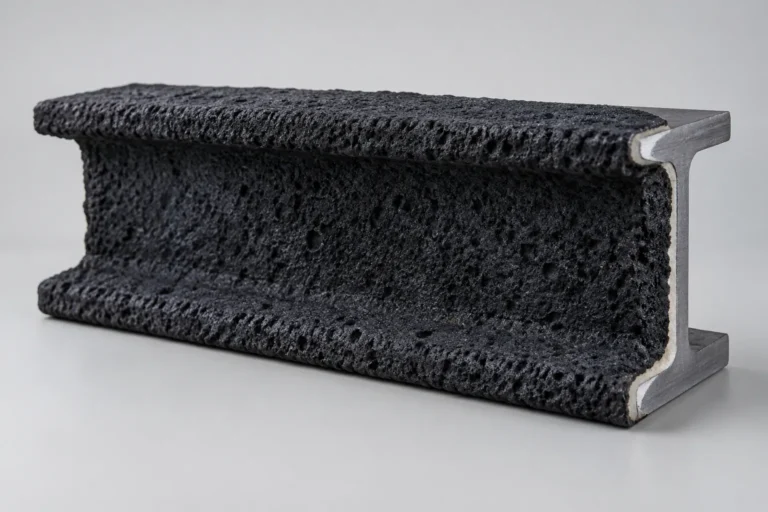
Heat and ultraviolet exposure can speed up oxidation in alkyd films. A coating that looks acceptable at first may become more yellow or darker after extended service, particularly in light-colored industrial coatings.
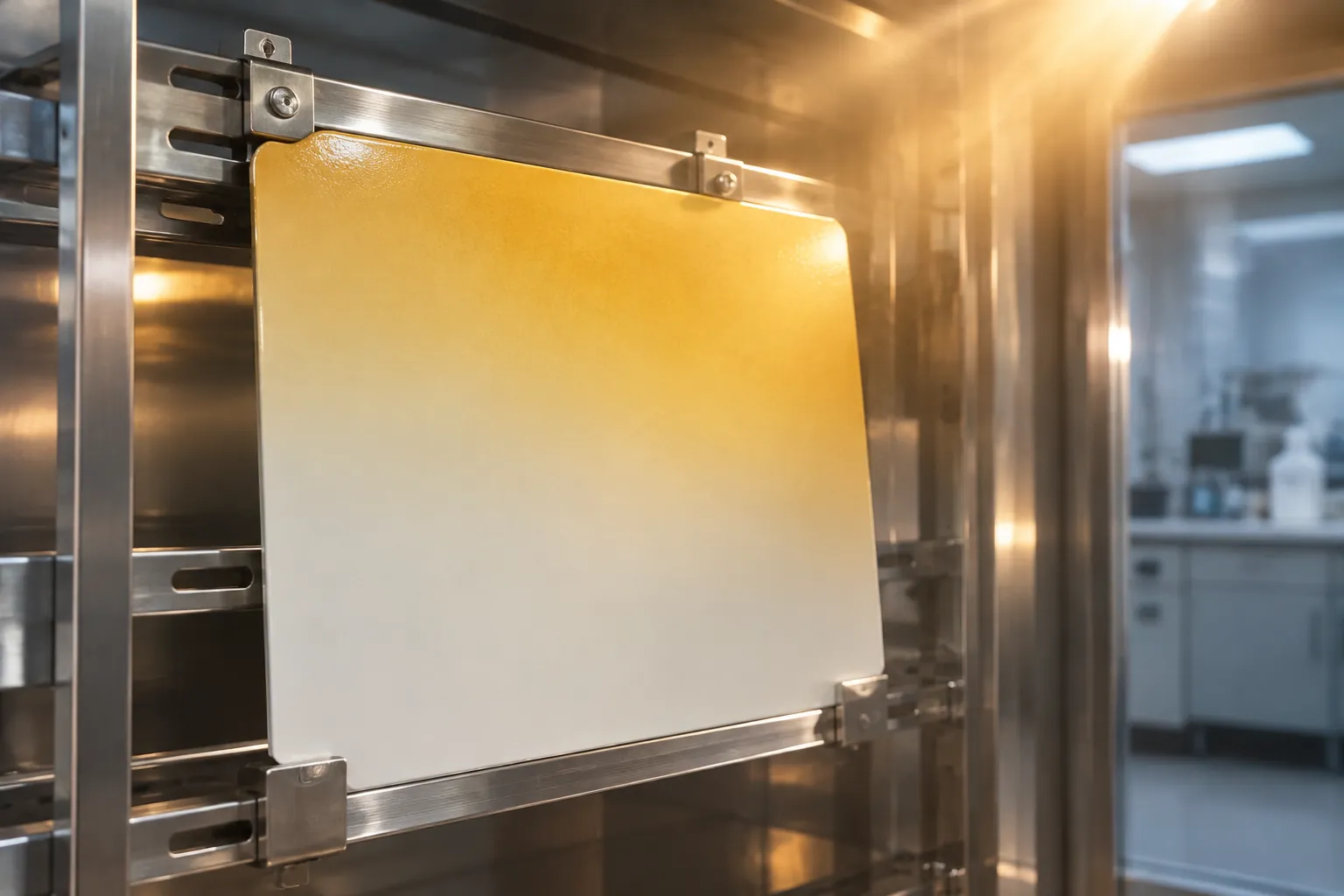
When reviewing discoloration, record:
- Initial resin or film color
- Storage time and conditions
- Exposure to heat and sunlight
- Changes in gloss, haze, or turbidity
- The drying oil and drier package used
This helps separate ongoing oxidation from other resin yellowing causes, such as processing conditions or raw-material variation.
Driers, Cure Path, and Process Conditions
Imbalanced cobalt/manganese/zirconium packages
When asking why does alkyd resin yellow, the drier package should be checked alongside the resin and oil. Cobalt, manganese, and zirconium driers can influence how the coating cures. If the package is not balanced with the resin system, the film may cure unevenly or develop unwanted color during storage and aging.
I recommend reviewing:
- Drier type and dosage
- Compatibility with the alkyd resin
- Cure speed at the actual application temperature
- Color change before and after drying
- Results after heat or light exposure
Do not assess one drier in isolation. A change made to improve surface dry can affect through-cure, film color, or long-term resin color stability in coatings. Compare the full drier package under the same formulation and test conditions.
Over-cooking, residual acidity, and poor filtration
Process conditions can also contribute to alkyd resin yellowing causes. Excessive cooking may darken the resin or increase the risk of color change during later storage. Residual acidity can also affect the behavior of the finished resin and should be checked when batches show unexpected differences.
Poor filtration may leave fine particles or haze in the resin. This can appear as turbidity rather than true yellowing, but both problems can reduce the appearance of light-colored industrial coatings.
For a practical process review, I focus on:
- Cooking time and temperature control
- Acid value at the end of the cook
- Resin appearance before and after filtration
- Haze, turbidity, and visible particles
- Color comparison between batches
A controlled cook and consistent filtration process make it easier to separate a formulation problem from a process-related color issue.
Can Pentaerythritol Quality Contribute?
Yes, pentaerythritol quality can be one factor in alkyd resin yellowing, color instability, or cook haze. I do not treat the polyol as the only possible cause. Oil unsaturation, heat history, drier balance, acid value, and process control can also affect the final resin color. The right approach is to test the pentaerythritol under the same formulation and cooking conditions rather than changing several raw materials at once.
Inorganic Residues and Catalytic Metal Traces
Small differences in inorganic residues or metal traces can affect the appearance of a resin cook. Terms such as iron, manganese, ash, and other residual metal ions are important when investigating color or turbidity, especially in light-colored industrial coatings.
These residues may not be obvious in the dry raw material, but their effect can become more visible during heating or resin processing. A practical review should include:
- Raw-material color and visual appearance
- Ash or inorganic residue results, where available
- Potential metal contamination from production or handling
- Resin color and haze after the same cooking cycle
- Batch-to-batch differences from the same supplier or grade
I compare these results with a control batch before deciding that pentaerythritol is the direct cause. If the resin becomes darker or more turbid only with one batch, raw-material variation deserves closer attention.
Organic Process Impurities Such as Formals
Organic process impurities, including formals and related side products, may also be considered during a color-stability investigation. Their effect cannot be judged from the product name alone. The actual impact depends on the grade, production control, formulation, and cook conditions.
For this reason, I ask for consistent quality information rather than relying only on broad marketing claims. Useful records may include:
- Batch identification and certificate of analysis
- Appearance and color information
- Available data on relevant organic impurities
- Moisture and residue information, where applicable
- Comparison data from more than one production batch
A single darker cook does not prove that formals or another organic impurity caused the problem. The strongest evidence comes from a side-by-side trial using the same oil, acid, polyol ratio, drier package, temperature profile, and filtration method.
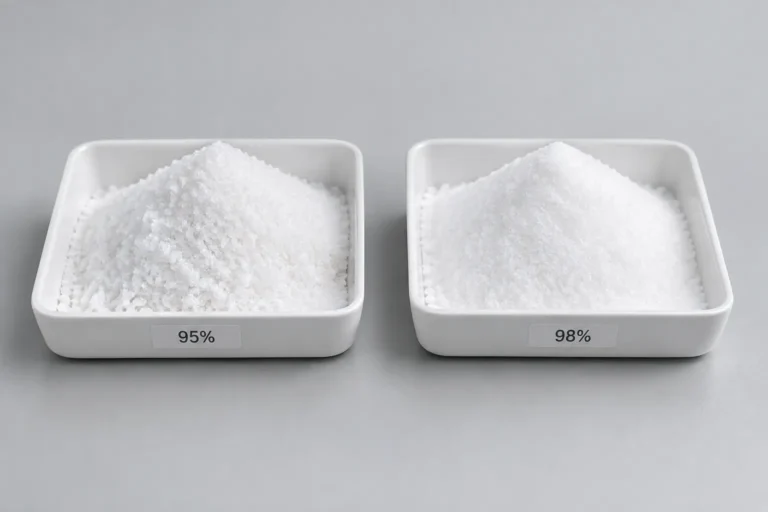
Grade Choice: When Tech vs. Mono Matters
The choice between a tech grade and a mono grade of pentaerythritol can matter in color-critical alkyd or polyester cooks. However, the correct choice depends on the required resin performance, processing conditions, and the supplier’s actual quality consistency.
I avoid selecting a grade based only on its label. Instead, I compare:
- Color and appearance consistency between batches
- Results in the intended alkyd or polyester formulation
- Cook haze or turbidity after processing
- Compatibility with the selected oil and acid system
- Documentation supplied for each batch
For light-colored coatings, a stable and repeatable grade is often more useful than a grade chosen only for its name or general position in the market. The key question is not simply whether the pentaerythritol is tech or mono. The key question is whether it produces consistent resin color and clarity in the specific formulation.
How to Diagnose: Separate Raw-Material Issues from Formulation Issues
When I investigate why alkyd resin yellowing occurs, I avoid changing several ingredients at once. A controlled comparison helps show whether the color problem comes from the pentaerythritol raw material or from the wider formulation and cooking process.
Side-by-Side Cook with the Same Oil, Acid, and Drier Package
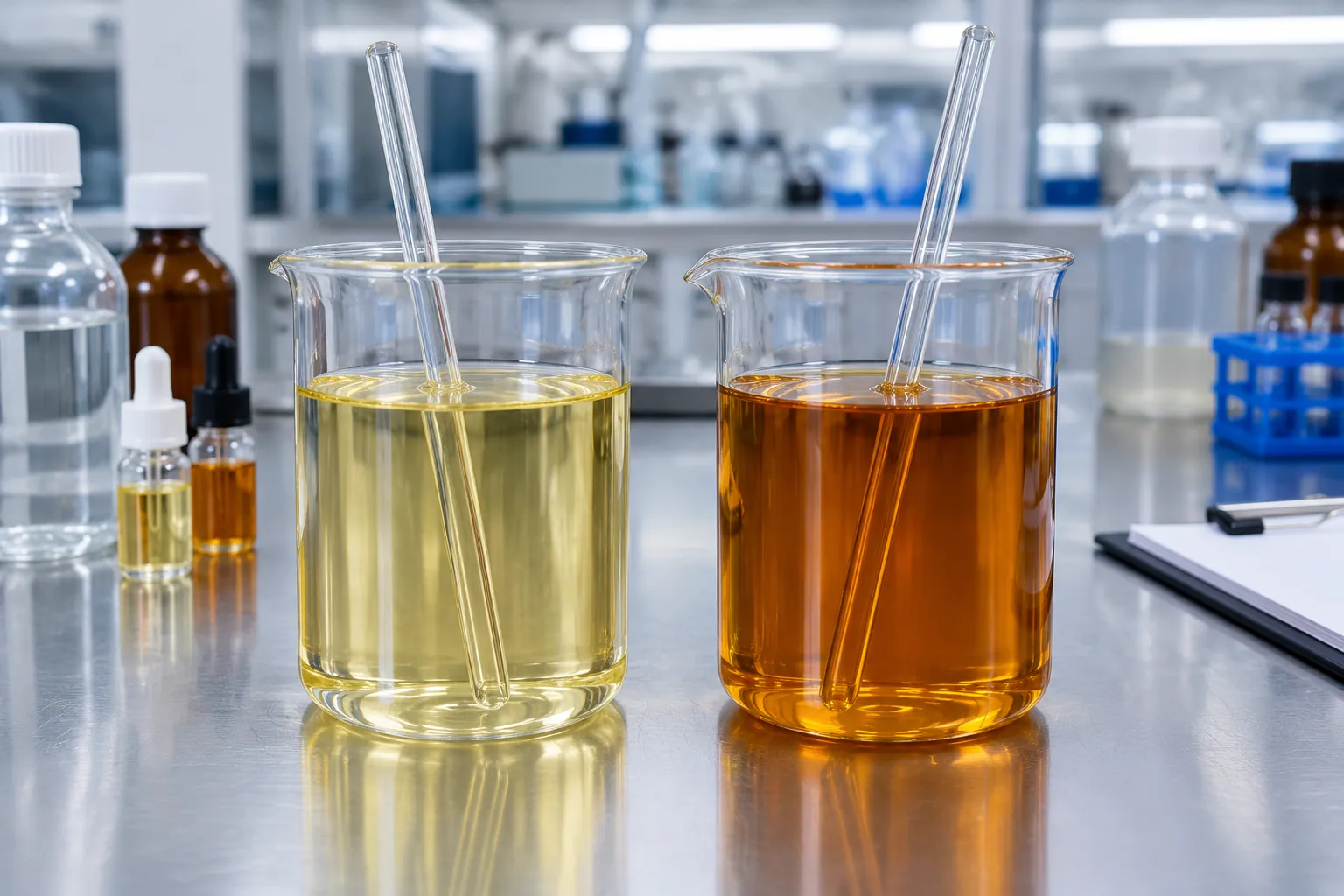
The clearest first step is to run two small cooks under the same conditions. Keep the following factors unchanged:
- Drying oil and oil length
- Phthalic anhydride or other acid component
- Pentaerythritol loading
- Cobalt, manganese, zirconium, or other driers
- Catalyst level
- Cook temperature and hold time
- Filtration and cooling procedure
Use the current pentaerythritol batch in one cook and a reference batch in the other. Compare the initial color, clarity, haze, turbidity, acid value, and color after storage or heat exposure.
If only one batch produces darker resin or more alkyd cook haze, the raw material becomes a stronger suspect. If both cooks yellow in a similar way, I look more closely at drying oil unsaturation, drier package imbalance, over-cooking, residual acidity, and heat or UV aging.
What to Ask Your PE Supplier Before Changing the Formula
Before changing the resin formula, I ask the pentaerythritol supplier for clear batch information and supporting test data. Useful questions include:
- Is the material mono-grade, technical-grade, or another pentaerythritol grade?
- What are the batch color, moisture, ash, and purity results?
- Are inorganic residues or metal ions such as iron or manganese monitored?
- Are formals and related organic process impurities controlled?
- Has the batch shown unusual haze, turbidity, or filtration behavior?
- Can the supplier provide batch-to-batch comparison data?
- Were the current and previous batches made under comparable process conditions?
- Is a retained sample available for side-by-side testing?
I also compare the certificate of analysis with actual cook performance rather than relying on color alone. A material can meet a basic specification and still behave differently in a color-critical coating or resin process. Reviewing batch consistency, trace residues, and grade selection first can prevent an unnecessary formula change.
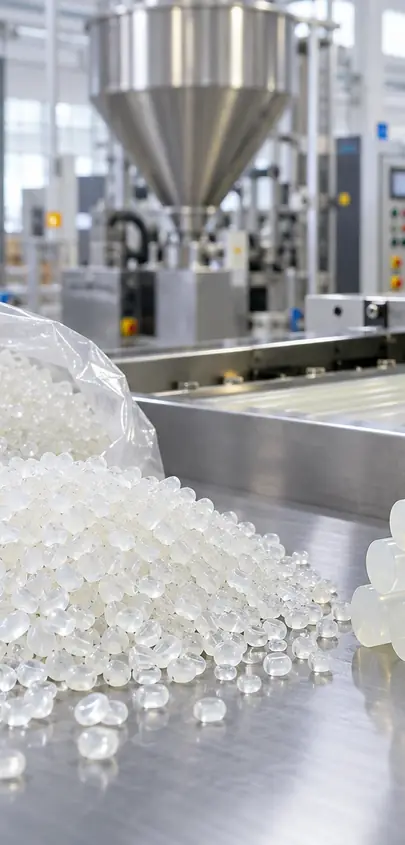
Working with a Steady Pentaerythritol Supply
Why Batch-to-Batch Consistency Matters More Than Marketing Claims
When I evaluate pentaerythritol for alkyd and polyester resin production, I focus on repeatability rather than broad marketing claims. A small change in polyol quality can affect resin color stability, cook behavior, haze, viscosity, and final coating appearance.
For color-critical formulations, I look for consistent control of:
- Pentaerythritol composition
- Inorganic residues and ash
- Metal ions such as iron and manganese
- Organic impurities, including formals and related side products
- Moisture and physical appearance
- Batch-to-batch color and clarity
Consistency matters because a resin cook may perform well in one trial and show higher color or turbidity in the next if the raw material changes. This is especially important for light-colored industrial coatings, where even a modest increase in initial resin color can become more visible after heat, storage, or UV exposure.
A dependable supply should also support practical production needs. I want clear batch identification, suitable quality information, and communication that helps me compare one delivery with another. These details are more useful than a simple claim that a material is “high quality.”
How Hengyou Chemical Approaches PE Supply for Coating and Resin Buyers
When working with Hengyou Chemical as a pentaerythritol supply option, I would assess the material through the same production-focused checks used for any global B2B supplier. The key question is not only whether the PE grade fits the formula, but whether its quality remains suitable across repeated resin cooks.
For coating and resin buyers, the evaluation should include:
- Confirming the intended PE grade, such as a technical or more color-sensitive grade where appropriate.
- Reviewing available quality data for composition, ash, metal-related residues, and other relevant impurities.
- Running a side-by-side cook with the same oil, acid, process conditions, and drier package.
- Comparing initial color, haze, viscosity, and appearance after the cook.
- Checking repeat batches before making a larger formulation or sourcing decision.
This approach keeps the decision practical. Pentaerythritol should be judged by how consistently it supports the resin process, not by supplier wording alone. For international buyers, a clear comparison process also helps separate raw-material effects from changes caused by the alkyd formula, drying oil unsaturation, heat history, or drier package.
Practical Recommendations Before Your Next Trial Batch
Before changing the formula, I treat why does alkyd resin yellow as a process and raw-material investigation. A controlled trial makes it easier to separate oil oxidation, drier package imbalance, cooking conditions, and polyol-related color issues.
- Record the starting color: Compare the fresh resin with the same sample after storage and film aging.
- Keep the formulation fixed: Use the same oil, phthalic anhydride, acid, drier package, and cooking method when comparing pentaerythritol grades.
- Check raw-material quality: Review batch consistency, ash, metal ions such as Fe and Mn, formals, moisture, and visible haze where relevant.
- Review the oil body: Highly unsaturated drying oils can continue to oxidize, especially with heat, UV exposure, or excessive drier activity.
- Control the cook: Track temperature, time, acid value, and filtration conditions to reduce over-cooking, residual acidity, and alkyd cook haze.
- Compare grades carefully: Test mono grade and tech grade pentaerythritol under identical conditions when color stability is important.
- Keep a retained sample: Store resin and coating samples in labeled conditions so delayed yellowing can be linked to a specific batch or process.
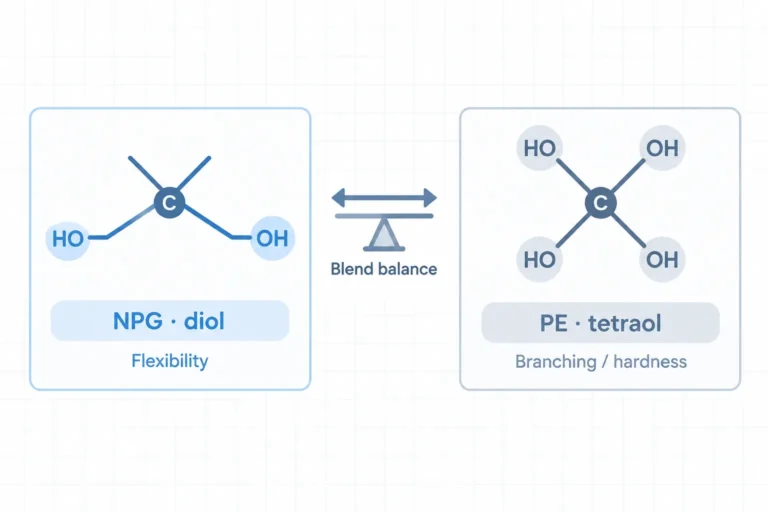
For global coating and resin production, a steady supply of consistent pentaerythritol, dipentaerythritol, neopentyl glycol, and related raw materials helps reduce avoidable variation. I confirm the material grade, test data, packaging, and batch records before starting a color-critical cook.