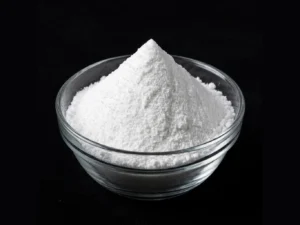
How to Prevent Ammonium Sulfate Caking in Storage
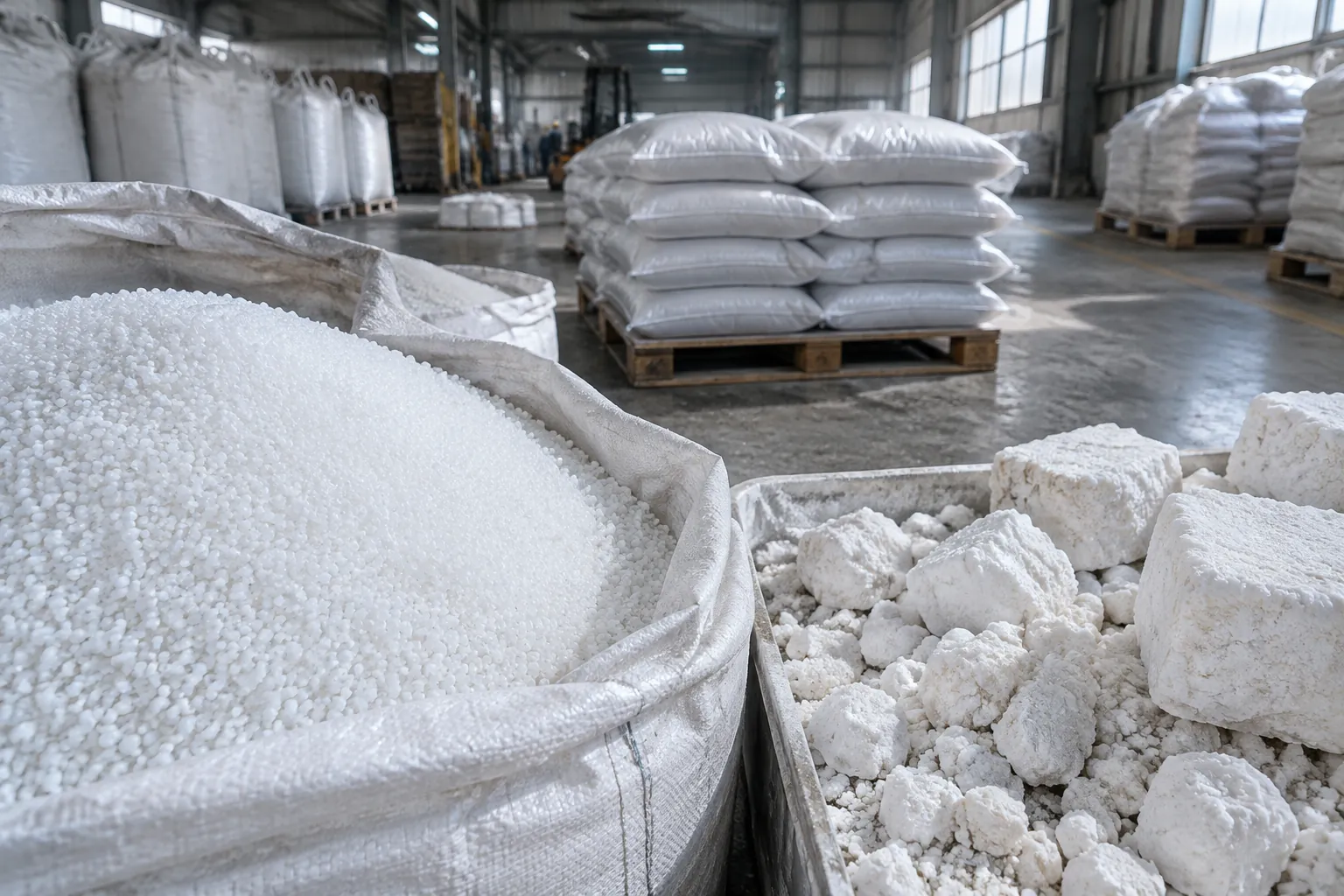
Are you trying to figure out how to prevent ammonium sulfate caking during storage or transit? Moisture uptake, high humidity, temperature swings, dust, and stack pressure can turn a free-flowing product into hard, difficult-to-handle blocks.
In this guide, you’ll learn practical ways to keep ammonium sulfate dry and free-flowing, when anti-caking treatment helps, what to ask suppliers for, and how treated grades from Hengyou Chemical can support reliable B2B delivery.
Why Ammonium Sulfate Cakes in Storage and Transit
Ammonium sulfate can arrive as hard lumps, compacted blocks, or a solid mass that will not discharge from a bag, hopper, or silo. These ammonium sulphate caking causes usually involve moisture absorption, crystal bridging, pressure, and temperature changes. Once the particles bond together, screening, conveying, blending, and accurate dosing become slower and more costly.
Moisture Uptake and Critical Relative Humidity
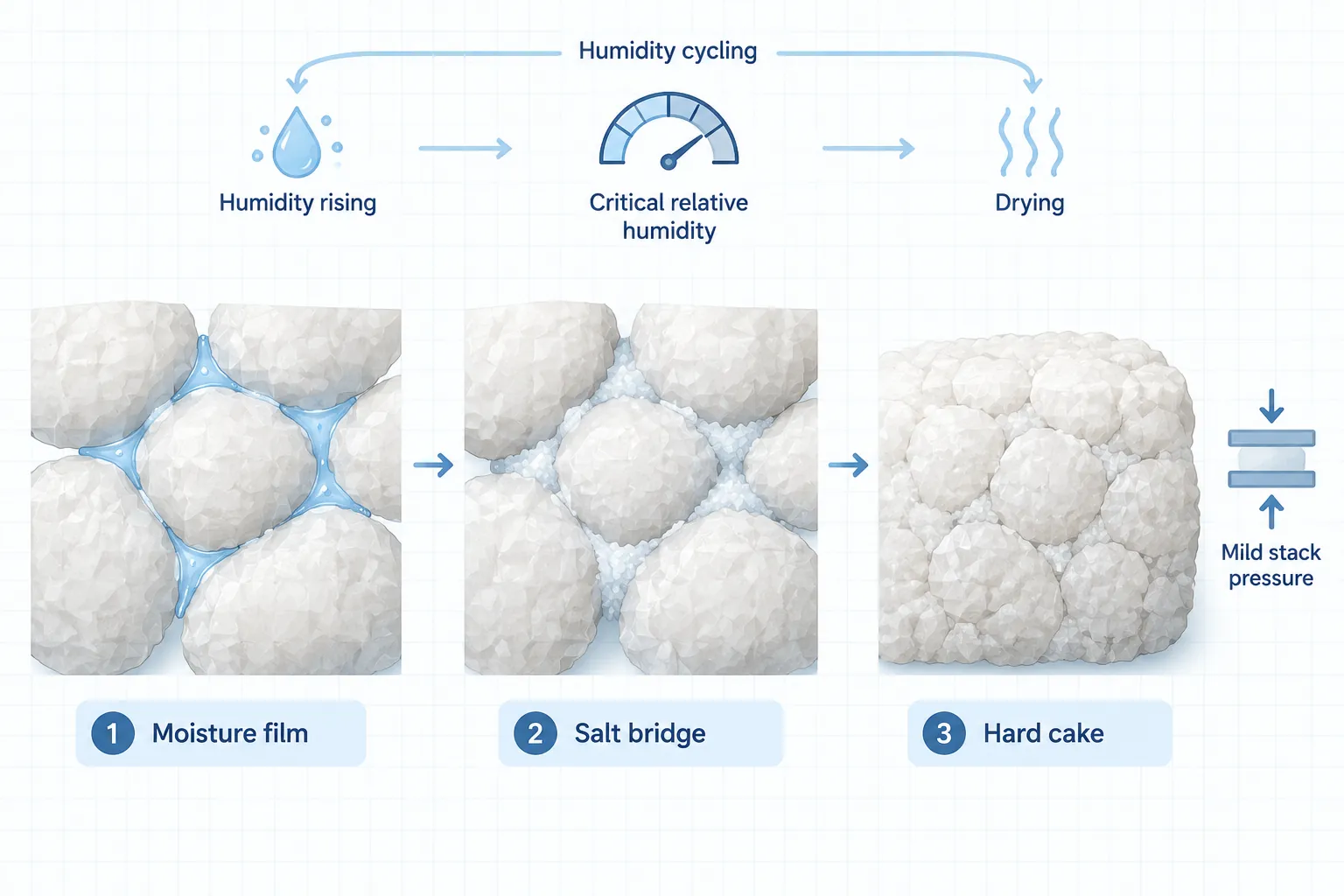
Ammonium sulfate is not highly hygroscopic under all conditions, but it can absorb moisture when exposed to sufficiently humid air. The key control point is its critical relative humidity—the approximate humidity level at which the product begins to take up moisture rapidly under a given temperature and purity condition. This value can vary with particle size, impurities, temperature, and the presence of other fertilizer materials.
When fertilizer moisture absorption occurs, a thin liquid film may form on the crystal surface. As the moisture later redistributes or evaporates, dissolved ammonium sulfate recrystallizes at contact points between particles. These solid connections gradually create hard lumps. Open bags, permeable packaging, humid loading areas, and prolonged exposure during port or warehouse storage all increase the risk.
Salt Bridges, Dust, and Compaction Under Stack Pressure
Salt bridge crystal bridging is one of the main mechanisms behind caking. Moisture dissolves a small amount of material at the point where two particles touch. When the solution dries, new crystals grow across the contact point and form a bridge. Repeated humidification and drying can make these bridges stronger.
Fine dust makes this problem worse. Dust fills the spaces between larger granules, increases the total contact area, and can hold moisture close to the particle surface. Heavy bags or bulk bags stacked for long periods also create pressure. The lower layers become compacted, reducing the natural spaces needed for air movement and making the bonded mass more difficult to break apart.
- High fines content: creates more contact points and retains moisture.
- Long storage time: allows weak bonds to become permanent bridges.
- High stack pressure: compresses particles and increases contact strength.
- Repeated handling: can generate additional dust and compact partially caked material.
Temperature Swings and Condensation Inside Bags or Bins
Temperature changes can cause caking even when the surrounding warehouse appears dry. Warm air entering a cold bag, container, silo, or bin may reach its dew point and release condensation on the inner packaging or product surface. This is especially common when ammonium sulfate is moved between hot and cool climates, loaded while warm, or stored against cold floors and walls.
Daily temperature swings can also move moisture through the package. During warming, air expands and may carry moisture toward cooler areas. During cooling, the air contracts and moisture can condense around the upper layer, bag walls, or bin surfaces. Localized wet spots then initiate crystal bridging and produce hard areas within otherwise free-flowing ammonium sulfate.
The risk is higher when product remains in humid conditions during ocean transit, customs delays, warehouse storage, or seasonal climate changes. Properly sealed packaging, controlled ammonium sulfate storage humidity, and protection from rapid temperature changes are therefore essential for preserving flowability.
How to Prevent Ammonium Sulfate Caking
Keep Product Cool, Dry, and Below High Relative Humidity
To prevent ammonium sulfate caking, I keep the product in a cool, dry warehouse with stable conditions. Fertilizer moisture absorption increases when relative humidity rises toward the material’s critical relative humidity, allowing particles to form damp surfaces and crystal bridges. As a practical target, maintain storage humidity below 60% whenever possible, and use ventilation, dehumidification, or sealed storage during wet seasons.
- Keep bags away from rain, wash-down areas, and open doors.
- Use pallets to prevent contact with damp floors.
- Avoid placing product against cold exterior walls where condensation may form.
- Monitor temperature and humidity during monsoon, winter, and coastal transport conditions.
Stable conditions matter as much as low conditions. Repeated heating and cooling can create localized moisture even when the average warehouse humidity looks acceptable.
Prefer Flat Storage and Minimize Aggressive Handling
Stack pressure can compact ammonium sulfate particles and increase the risk of salt bridge crystal bridging. I store bags and big bags on a level surface and avoid excessive stack height or long periods under heavy load. Flat, stable storage helps reduce pressure points and keeps the product easier to discharge.
Gentle handling also protects free-flowing ammonium sulfate. Large drops, repeated impact, and unnecessary movement can break particles, create dust, and produce fines. These fines absorb moisture quickly and may fill the spaces between larger granules.
- Use suitable pallet patterns and follow the supplier’s stacking limits.
- Reduce drop height during loading and unloading.
- Avoid dragging or repeatedly throwing bags.
- Clean spilled product promptly to limit dust and moisture pickup.
Use Moisture-Barrier Packaging and Seal Promptly After Opening
Packaging is a key part of caking control. For bulk supply, I recommend moisture-resistant bags with a suitable inner liner, sealed seams, and packaging designed for the transport route. Ammonium sulfate packaging may include laminated bags, lined woven polypropylene bags, or properly specified big bags for larger shipments.
Once a bag is opened, the product is exposed to room air. Reseal partial bags promptly and keep them in a dry, covered area. Do not leave open bags near blending lines, loading bays, or humid production zones. A strong outer bag cannot fully protect the material if the inner liner is left open.
Limit Long Humid Dwell Time Before Blending or Shipping
Even well-packed material can cake if it remains in humid conditions for too long. I plan receiving, storage, blending, and shipping schedules to reduce the time ammonium sulfate spends exposed to moisture. This is especially important for global B2B orders moving through ports, containers, tropical warehouses, and locations with seasonal humidity.
Use a first-in, first-out system and avoid unnecessary storage delays. Before loading, check that the warehouse, truck, container, and loading equipment are dry. For long routes, combine moisture-barrier packaging with suitable pallets, dry liners, and protection from condensation. These steps support more reliable flowability and help reduce ammonium sulphate caking causes throughout the supply chain.
Anti-Caking Treatment: What It Is and When It Helps
Anti-caking treatment helps ammonium sulfate remain free-flowing during storage, handling, and transport. It is most useful when the product will face humid conditions, long shipping routes, repeated loading and unloading, or extended warehouse dwell time. Treatment improves flow, but it works best alongside good moisture control and suitable packaging.
Surfactant or Coating-Type Anti-Caking Agents
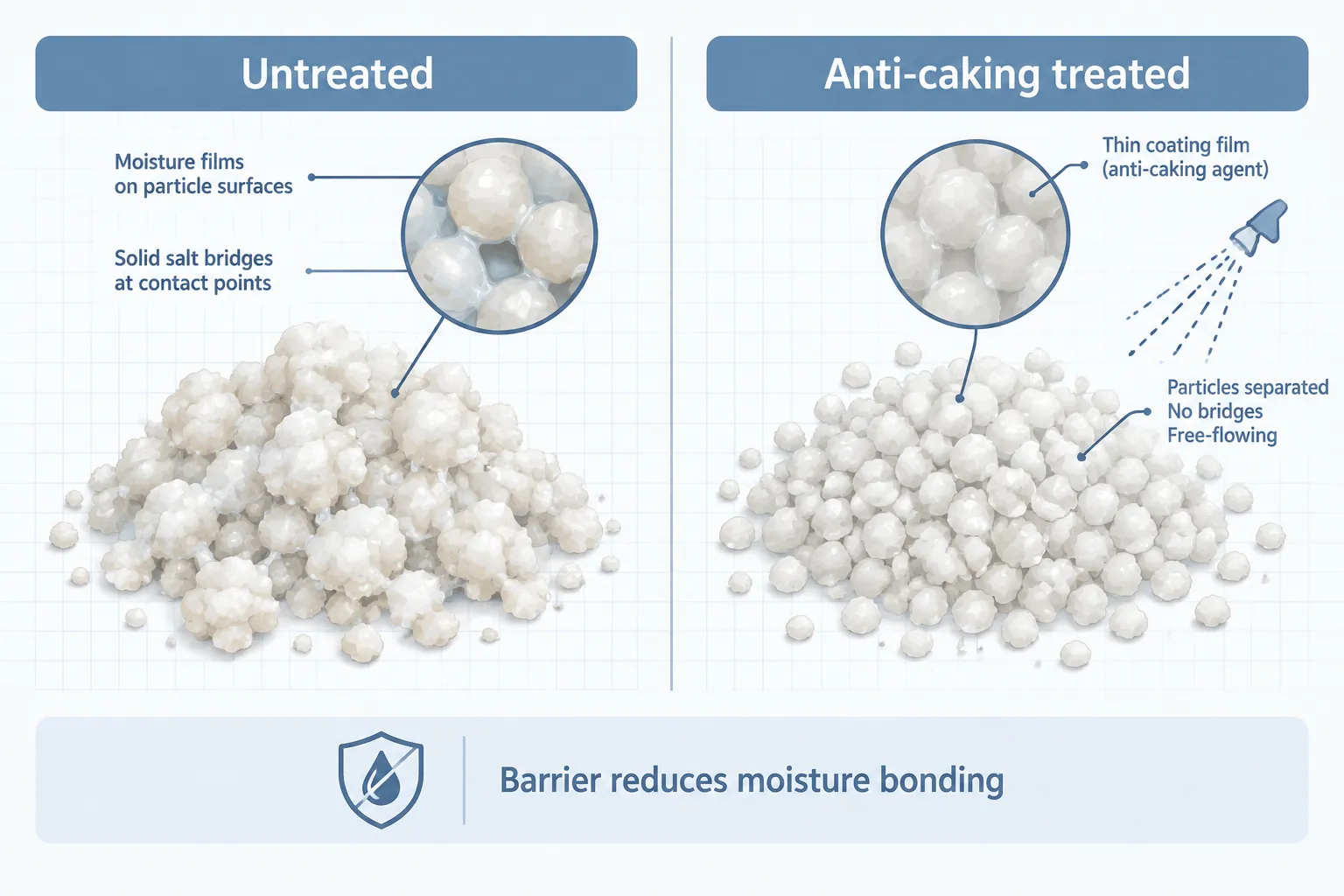
An anti-caking agent for ammonium sulfate usually works by reducing the contact between particles and limiting moisture-related crystal bonding. Depending on the product and application, the treatment may be a surface coating, a conditioning additive, or a surfactant-based formulation.
- Surface coatings create a thin barrier that limits moisture contact and salt bridge formation.
- Surfactant-based treatments improve particle separation and help reduce adhesion.
- Conditioning agents support better flow during conveying, bagging, and discharge.
The right treatment should be selected for the ammonium sulfate particle size, application, packaging format, and expected climate. A treatment designed for dry bulk fertilizer may not be the best choice for a fine industrial grade or a product shipped in small bags.
Treated vs. Untreated Grades for Fertilizer and Industrial Use
Treated ammonium sulfate is generally a better choice when consistent flowability is important. It can reduce caking risk during humid-season storage, container transport, and long-distance delivery. This is especially useful for fertilizer distributors handling bulk bags, containerized cargo, or multiple warehouse transfers.
| Grade | Typical advantage | Best fit |
|---|---|---|
| Untreated ammonium sulfate | Simple formulation and often lower treatment cost | Short storage periods, dry climates, and controlled indoor handling |
| Anti-caking treated ammonium sulfate | Better resistance to particle bonding and improved discharge | Humid routes, long storage, fertilizer distribution, and bulk handling |
For industrial users, the choice also depends on whether the treatment is compatible with the final process. Buyers should confirm the treatment type, application rate, appearance, moisture level, and any limits on downstream use before placing a large order.
What Anti-Caking Treatment Does Not Replace
Anti-caking treatment cannot correct poor storage conditions. Even treated ammonium sulfate may cake if it absorbs moisture, experiences condensation, or remains under heavy pressure for too long. Treatment should support, not replace, basic storage control.
- Keep ammonium sulfate dry and protected from rain, leaks, and humid air.
- Use moisture-barrier bags or properly lined ammonium sulfate big bags.
- Seal opened packaging promptly after use.
- Avoid excessive stack height and long periods under compression.
- Prevent temperature swings that can create condensation inside bags or bins.
When I evaluate an anti-caking grade, I look at the complete supply chain rather than the additive alone. A free-flowing ammonium sulfate product requires the right treatment, controlled moisture, suitable packaging, and realistic storage and transit conditions.
Is There Anti-Caking Treated Ammonium Sulfate Available?
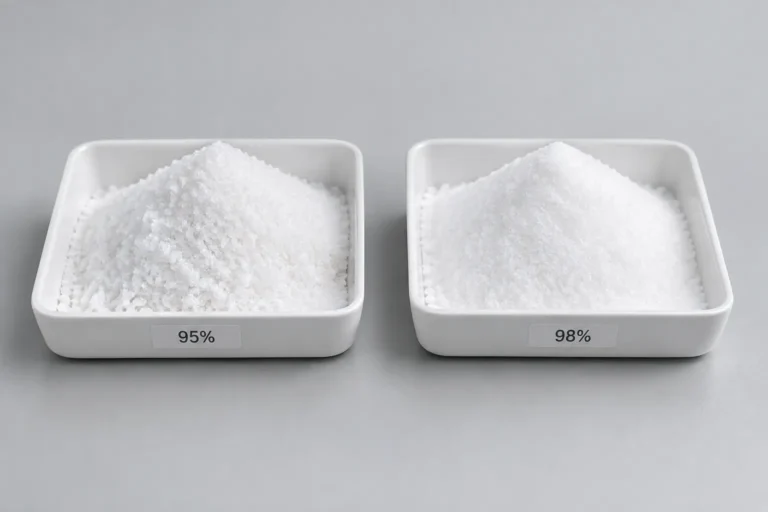
Yes. Anti-caking treated ammonium sulfate is available for fertilizer manufacturers, distributors, and industrial users. Treatment may use a surface coating or an approved anti-caking agent for ammonium sulfate to reduce moisture pickup, salt bridge formation, and crystal bonding during storage and transport.
Treated material can help maintain a more free-flowing ammonium sulfate product, especially when shipments pass through humid ports, monsoon climates, coastal warehouses, or long inland routes. However, treatment works best when combined with suitable packaging, controlled storage humidity, and prompt handling after delivery.
What Buyers Should Ask Suppliers For
Before placing a bulk order, I recommend checking both the product specification and the supplier’s handling data. A clear document set helps confirm whether the material is suitable for your climate, equipment, and storage period.
| Document or data | What to check | Why it matters |
|---|---|---|
| Certificate of Analysis (COA) | Nitrogen content, sulfur content, purity, moisture, particle size, and production date | Confirms that each shipment matches the agreed grade |
| Moisture result | Test method, reported value, and maximum specification | Lower initial moisture usually supports better storage stability |
| Free-flow information | Flowability notes, caking observations, and recommended storage conditions | Shows how the product is expected to perform after transport |
| Treatment details | Whether the product is treated, the treatment type, and any use limitations | Prevents confusion between treated and untreated ammonium sulfate |
| Safety documents | Technical Data Sheet (TDS) and Safety Data Sheet (SDS) | Supports safe handling, customs clearance, and warehouse procedures |
I also advise buyers to request a retained sample or pre-shipment sample. Check the granules or crystals for visible lumps, surface wetness, unusual dust, and flow through the same hopper, screw feeder, or bagging line used at your site. A product that flows well in a sample bag may still cake if it remains in a warm, humid warehouse for several months.
Packaging Options That Support Free-Flowing Delivery
Packaging has a direct effect on ammonium sulfate storage humidity. Even a well-treated product can cake when exposed to humid air through damaged seams, loose liners, or repeated opening and closing.
| Packaging option | Best use | Key control point |
|---|---|---|
| 25 kg or 50 kg laminated bags | Retail distribution, smaller production sites, and regular manual handling | Use a strong moisture-resistant inner layer and seal bags immediately |
| Woven polypropylene bags with liner | Standard fertilizer shipments and warehouse storage | Inspect the liner, stitching, and pallet wrapping for leaks |
| Ammonium sulfate packaging in big bags | Bulk fertilizer blending, industrial use, and container loading | Choose a sealed inner liner where the route includes humid conditions |
| Palletized and stretch-wrapped bags | Long-distance transport and repeated warehouse transfers | Keep the wrap intact and prevent contact with wet floors or walls |
For humid routes, I prefer sealed bags with a moisture-barrier liner, stable pallet stacking, and stretch wrapping that remains intact through loading and unloading. Do not leave opened bags exposed near a blending line. Close, reseal, or transfer the material into a dry hopper as soon as possible.
When buyers need to buy anti-caking treated ammonium sulfate, the most reliable supply plan combines a suitable treatment grade with verified moisture data, practical free-flow notes, and packaging matched to the shipment route. This approach reduces avoidable caking without relying on packaging alone.
Practical Buying Checklist for B2B Buyers
Match Grade and Treatment to Climate, Route, and Dwell Time
I select ammonium sulfate based on the full supply route, not only the product specification. A grade that stays free-flowing in a dry warehouse may cake during a long sea voyage, monsoon-season delivery, or repeated movement through humid ports. Climate, packaging, storage conditions, and delivery time all affect the final result.
| Buying factor | What to check | Practical decision |
|---|---|---|
| Climate | Humidity, rainfall, and seasonal temperature changes | Use anti-caking ammonium sulfate and stronger moisture protection for humid regions |
| Transport route | Ocean freight, port storage, inland trucking, and container conditions | Allow for condensation risk and select sealed, moisture-barrier packaging |
| Dwell time | Time between production, delivery, blending, and use | Choose a treated grade when storage may extend beyond several weeks |
| End use | Fertilizer blending, direct field application, or industrial processing | Confirm that the treatment and purity match the customer’s process requirements |
For dry, fast-moving operations, untreated ammonium sulfate may be suitable when storage humidity is controlled. For tropical markets, coastal warehouses, and long international routes, I generally recommend evaluating treated material with reliable moisture control. The goal is not simply to buy the lowest-cost grade. It is to reduce blocked bags, rework, manual breaking, rejected deliveries, and loss of free-flowing performance.
Sample, Inspect Flowability, and Confirm Documentation Before Scale-Up
Before placing a large order, I ask for a representative sample from the same grade and anti-caking treatment intended for shipment. A small trial can reveal problems that a standard specification sheet may not show, including poor discharge from bags, salt bridge crystal bridging, excess dust, or hard lumps after storage.
- Check appearance: Confirm consistent crystal size, clean color, and limited visible dust.
- Test flowability: Pour the sample through the intended hopper, blender, or filling line.
- Review moisture: Compare the reported moisture level with the storage humidity at the destination.
- Run a storage trial: Keep the sample in its proposed packaging under realistic temperature and humidity conditions.
- Inspect after handling: Check whether vibration, stacking, or transport simulation creates hard masses.
I also confirm the documentation before scale-up. The supplier should provide a current COA showing key test results, a TDS describing grade and handling properties, and an SDS for safe storage and transport. For treated material, the documents should identify the anti-caking treatment or confirm that the product is supplied as an anti-caking treated ammonium sulfate grade.
For global B2B purchases, I record the batch number, packaging type, net weight, production date, treatment status, and recommended storage conditions. This creates a clear reference when comparing suppliers or investigating caking after delivery. A sample that passes both flowability and documentation checks provides a stronger basis for reliable scale-up.
Hengyou Chemical: Anti-Caking Treated Ammonium Sulfate Supply
At Hengyou Chemical, we supply anti-caking ammonium sulfate for fertilizer producers, distributors, and industrial users serving global markets. Our treated grade is designed to support better flowability during storage, handling, blending, container loading, and long-distance transport. We work with buyers to match product treatment, packing format, and shipment requirements to the destination climate and expected storage time.
Supplier Support for Global B2B Orders with COA, TDS, and SDS
We support B2B purchasing with clear technical and shipping documentation. Each order can be coordinated with the relevant COA, TDS, and SDS, covering product specifications, handling guidance, safety information, and quality details. Buyers can also confirm moisture requirements, treatment status, packaging options, and batch information before shipment.
- Product: treated or untreated ammonium sulfate, according to the agreed specification
- Quality documents: Certificate of Analysis, Technical Data Sheet, and Safety Data Sheet
- Packaging: bags or ammonium sulfate big bags for bulk B2B handling
- Order support: shipment planning for regional and international supply routes
- Quality focus: moisture control, free-flowing performance, and consistent batch supply
For buyers looking to buy anti-caking treated ammonium sulfate, Hengyou Chemical provides a practical supply route backed by product information and export-oriented order support.